Before any start, you have to prepare.
StratAlp opens its public beta! An outdoor planning tool designed first for trail running — but also for cycling and hiking — to bring serenity: a written, segmented and quantified plan so you arrive better prepared and enjoy your outings.

Most outdoor apps log activities you've already done, or suggest where to go tomorrow. For the moment that plays out before — the weeks when the plan takes shape, when the body learns to eat under effort, when each aid station becomes a stop you've already rehearsed — there was almost nothing. That's the gap we set out to close — and we're opening it today, in public beta.
StratAlp is an outdoor planning app, designed first for trail running, but also for cycling and hiking. You arrive with a GPX trace; you leave with a written race plan — segmented, paced, quantified down to the water you carry and the carbs you take in along the way. Alongside, a calendar to lay out your training sessions up to race day. Not to make you run faster (we said it last week) — to help you arrive better prepared, and able to enjoy the route and its views. Free during beta, in the browser — the mobile version is coming soon. Your plans, your data are yours, and they'll stay that way.
Five steps, in the order they chain together in a runner's head — from the trace you upload to the finish line you cross.
01 / Importing your route
A trace in, wherever it comes from — and everything else builds on it.
It all starts with a route: the one from the organizer, the one from a friend who ran the race last year, or the one you draw yourself in the StratAlp route builder, one morning between two coffees. Either way, StratAlp reads its elevation profile, true distance, and cumulative gain and loss.
At this point, nothing is decided yet. The route's foundation is laid flat in front of you. A blank score to fill in.
02 / Breaking into segments
A race short, medium or long is a succession of steps to climb.
We learned it the hard way as early as our first races and training runs. The steady climb at the start isn't run like the technical section mid-route. The technical section, not like the punishing descent. The descent, not like the rolling flat before the final wall. Segmenting means naming these portions, assigning them a target pace, and getting a predicted time per block instead of one fuzzy final time you either hold or miss.
We did it on a spreadsheet for a long time (or on paper, for that matter). Everyone with their own approach and markers. The plan holds, but it stays a personal object, rarely transposable to someone else.
Once broken down, the race isn't a wall anymore. Smaller problems, more sustainable strategies.
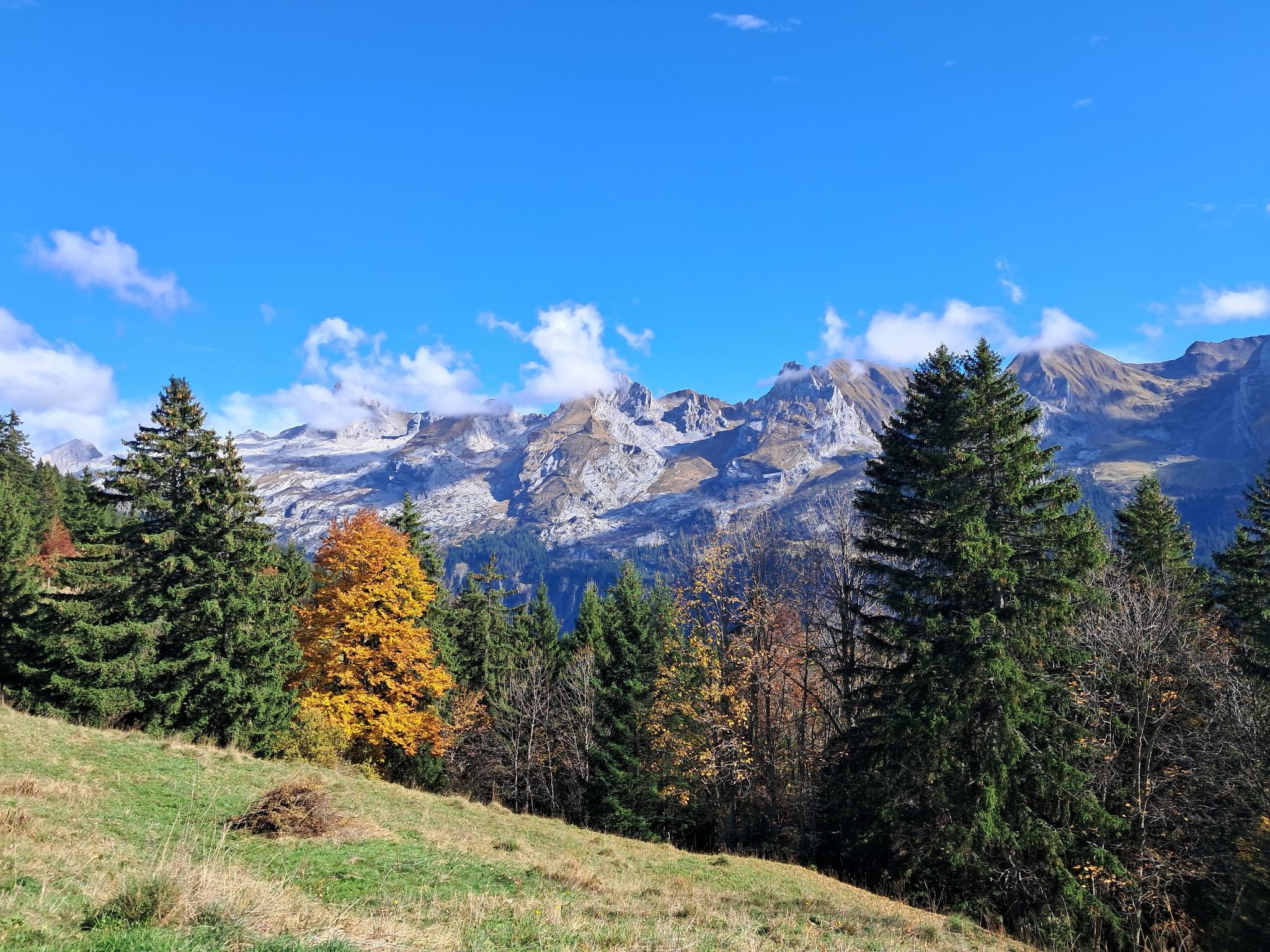
The right pace isn't the fastest one. It's the one you'll hold to the last aid station.
03 / Setting the cardio
Not a HR obsession. A safeguard.
We ran by instinct for a long time. Then we went out too hard on a first climb, and much later, we paid for the badly managed effort. Since then, we assign a target heart rate zone to each segment. Not to turn trail running into a lab exercise — just to put on paper, once and for all, what we already know: you don't run the final climb the way you run the first one.
04 / Quantifying hydration & fueling
Drink before feeling thirst, eat before hunger. Anticipate — and train for it.
On a long effort, waiting for the body's signals is already too late. The wake-up call, for us, came on a race where everything piled up: shifting weather, heat settling in earlier than expected, a gut not used to that flow. Nothing was going down anymore — no water, no gel. We finished. Recovery, though, lasted weeks. Cold, we sat down and wrote it out. How much we drink, what, when. How much we eat, what, when. What we grab at each aid station. Then we trained ourselves to handle that flow — outing after outing, with a fueling plan close to the target race's. On race day, we test nothing: we replay the training. The same principle holds for leisure outings, where nutrition matters just as much.
05 / Orchestrating aid stations & support
Every stop is a pivot point. The better prepared, the shorter.
An aid station isn't a coffee break. It's a pivot point: you refill, you remove, you add, you eat. Three minutes instead of eight. At each stop, that's less brain spent improvising, more attention left for what comes next.
On race day, you don't arrive at an aid station wondering what you were supposed to do there. If a crew is waiting, they have the same sheet on their phone.
06 / What beta means
We're launching publicly today, but StratAlp is young. The foundations are there — import, segments, heart rate zones, hydration, fueling, aid stations & support — and we've worn them in on our own bibs as on our own training. The rest, we want to write with those who'll use it.
In beta, the app is free and unlimited. You can prepare as many races as you want and export your plans as PDF. Access is approved manually — we review every request by hand to keep a circle of committed runners and hold the pace. In exchange, two things: keep in mind that not everything is perfect yet, and tell us what's missing — from any page of the app, we read every reply.
We can't wait to see you on the trails.
— The StratAlp team
Related articles
3 min read
Why StratAlp
Before the beta launches, a word on the angle that got us started: prepare to enjoy, not to set records. Performance may follow — it isn't the point.

10 min read
StratAlp's nutrition model, in the open.
StratAlp's nutrition engine works out the water, carbs and sodium for your race from its profile. Every decision rests on a verifiable source, shown in the app — and we tell you, just as plainly, what the model can't do yet.